


Talk about your brandYOU KNOW THEIR WORK. BUT DID YOU KNOW THEY WERE JEWISH?
By Ryan Saghian. Originally published October 27, 2026, in Ryan By Design. Republished with permission.

I’m a complete fucking dork when it comes to history.
In high school, I was always in AP History. I loved it. It was basically story time. I’d sit there listening to fascinating stories and let my imagination take me there.
Math, on the other hand, was a fucking disaster.
I was always in the stupid people math class.
Now, as a first-generation Iranian Jew working in design, there’s a particular part of design history that fascinates me: the Jewish men and women who helped shape it.
Not just because they were Jewish, but because of what they accomplished, what they stood for, and how they honored where they came from.
And some of those names might surprise you.
Starting with Frank Gehry.
FRANK GEHRY

BEFORE THERE WAS GEHRY, THERE WAS GOLDBERG.
Yes. Goldberg.
Growing up in Los Angeles, Frank Gehry’s work was impossible to ignore. The Walt Disney Concert Hall downtown, the binoculars building in Venice. His architecture is practically part of the city’s personality.
If you grew up here, you know LA has never been particularly interested in looking like anywhere else. Which is probably why Gehry’s work makes so much sense here.
But here’s something that doesn’t get nearly as much attention as his buildings.
He was born Frank Owen Goldberg to a Jewish family in Toronto.
Gehry changed his surname in the 1950s, partly because of the antisemitism he’d experienced. He’d even been excluded from an architectural fraternity at USC because he was Jewish.
Now imagine telling those fraternity members that the Jewish kid they rejected would become one of the most celebrated architects in history.
I’d pay good money to see their faces.
Decades later, Gehry became involved in plans for the World’s Jewish Museum in Tel Aviv, a project dedicated to celebrating Jewish achievement and contributions to civilization.
A man who once felt pressure to change his Jewish surname was now helping envision a museum celebrating Jewish accomplishment.
The world knows Frank Gehry.
I think more people should know Frank Goldberg.
JONATHAN ADLER
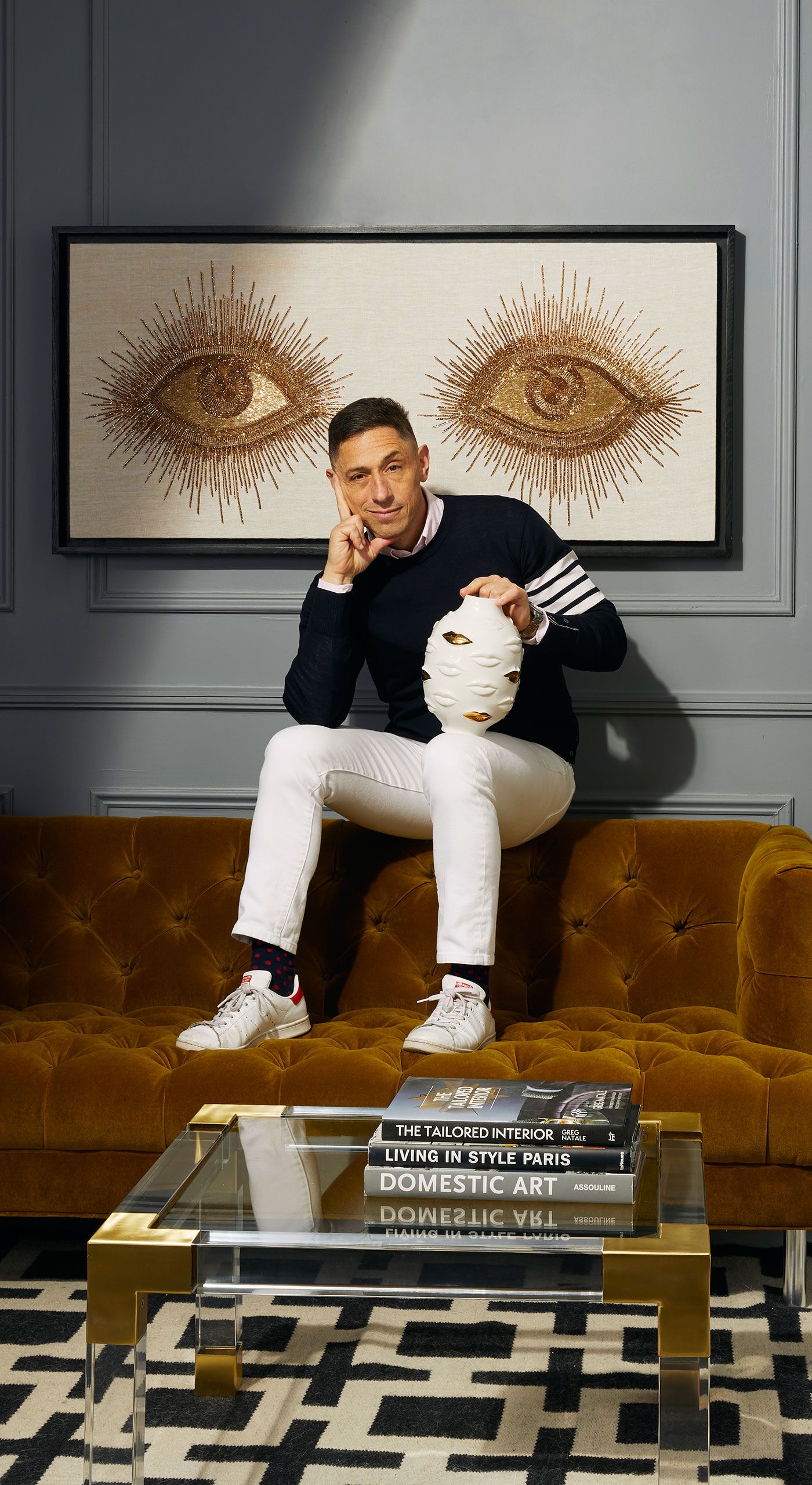
MAKING JUDAISM A LITTLE MORE FABULOUS.
I don’t think people realize just how much influence Jonathan Adler had on interiors in the mid-2000s.
I remember when the Parker Palm Springs opened in 2004, and suddenly everyone wanted their house to look like it.
The colors, the patterns, the vintage furniture, the completely unapologetic mix of styles. It was glamorous, a little eccentric, and nothing like the overly serious interiors that were everywhere else.
Everyone wanted a colorful geometric rug, a ceramic vase with a face on it, and a living room that looked like a boutique hotel in Palm Springs.
Honestly, I understood the obsession.
More than twenty years later, the Parker is still iconic.
Jonathan made decorating fun again. I think our industry could use a little more of that today.
He also brought Jewish traditions into contemporary design.
Jonathan grew up attending Hebrew school, and his family helped establish a synagogue in New Jersey.
Today, his collections include menorahs, mezuzahs, and Seder plates.
And not the kind that look like they’ve been sitting in your grandmother’s china cabinet since 1962.
Although I’d probably love those too.
In 2009, his work was featured in Reinventing Ritual, an exhibition at the Jewish Museum in New York exploring how contemporary designers reinterpret Jewish traditions.

He doesn’t treat Jewish design like something that belongs exclusively in a synagogue or museum. He’s made it part of contemporary life, without losing any of the humor or personality that made him famous.
ISAAC MIZRAHI
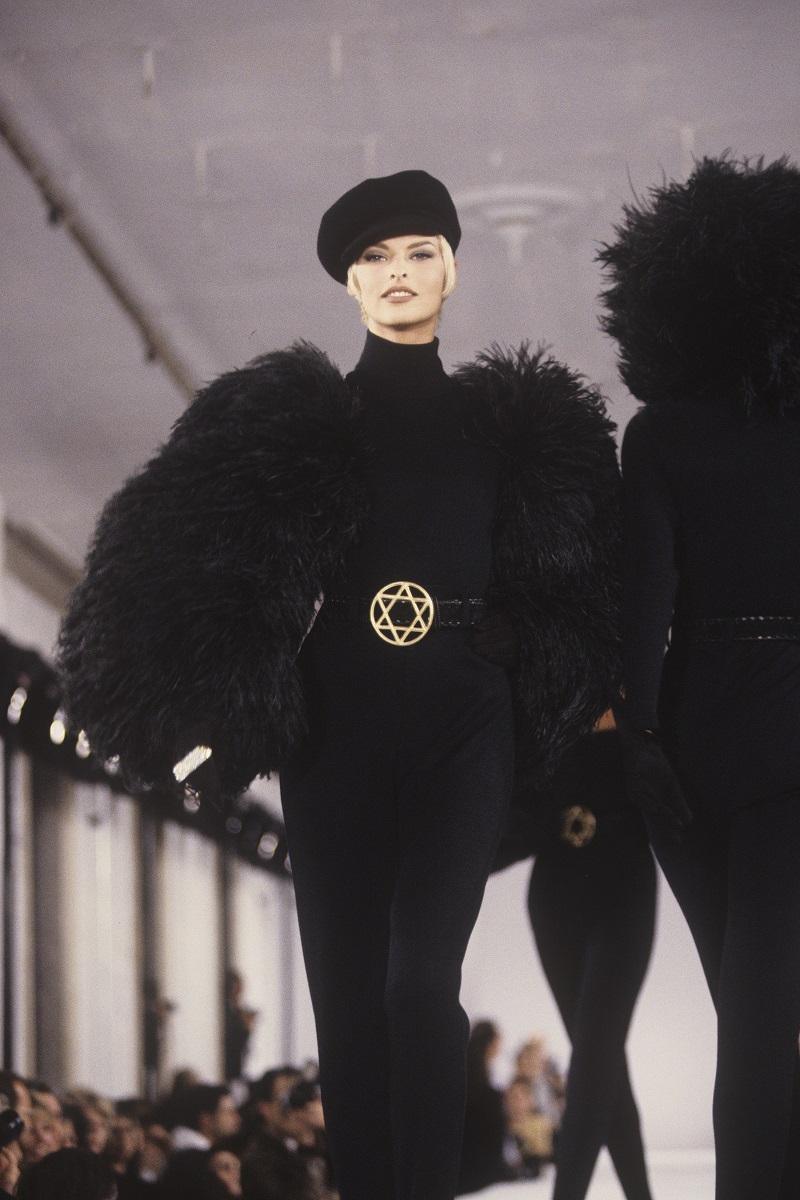

THE STAR OF DAVID GOES TO FASHION WEEK.
If you grew up watching fashion in the 1990s, you know Isaac Mizrahi.
The supermodels, the runway shows, the documentary Unzipped. Isaac was one of those designers who made fashion feel like entertainment, and he had the personality to match.
But here’s something I absolutely love about him.
Isaac grew up in a Syrian Jewish family in Brooklyn, surrounded by Sephardic traditions (like me).
And in 1991, he sent Linda Evangelista down the runway wearing an oversized Star of David belt.
Yes. Linda fucking Evangelista.
At a time when crosses were everywhere in fashion, Isaac decided the Star of David deserved its moment too.
And he wasn’t subtle about it.
The belt was a bold, oversized Star of David worn at the waist, turning a symbol of Jewish identity into a fashion statement.
Not hidden under a shirt. Not tucked away on a necklace.
Right there on the runway.
The original belt is now part of the Jewish Museum’s collection in New York.
I mean, how fucking fabulous is that?
A Syrian Jewish kid from Brooklyn grows up to become one of America’s most recognizable fashion designers, and puts a Star of David on the runway.
That’s the kind of design history I love.
RUTH ADLER SCHNEE

FROM KRISTALLNACHT TO AMERICAN MODERNISM.
If Ruth Adler Schnee’s name doesn’t ring a bell, her work probably will.
Born into a Jewish family in Frankfurt in 1923, she grew up surrounded by art. Her mother had studied at the Bauhaus, and Paul Klee was a family friend.
Not exactly your average childhood.
Then, in November 1938, came Kristallnacht.
Ruth was fifteen when Nazi violence reached her family’s home. They eventually escaped Germany and settled in Detroit.
At a time when American interiors were still incredibly conservative, she was designing textiles that looked like they belonged fifty years in the future.
Bold geometric patterns, unexpected color combinations, and graphic compositions that were anything but conventional.
Her work became associated with architects including Eero Saarinen and Frank Lloyd Wright.
Remember, this was an era when women were rarely given the same recognition as their male counterparts.
What I particularly love about her work is that it still looks relevant today. You could put one of her textiles in a contemporary interior, and it wouldn’t look remotely dated.
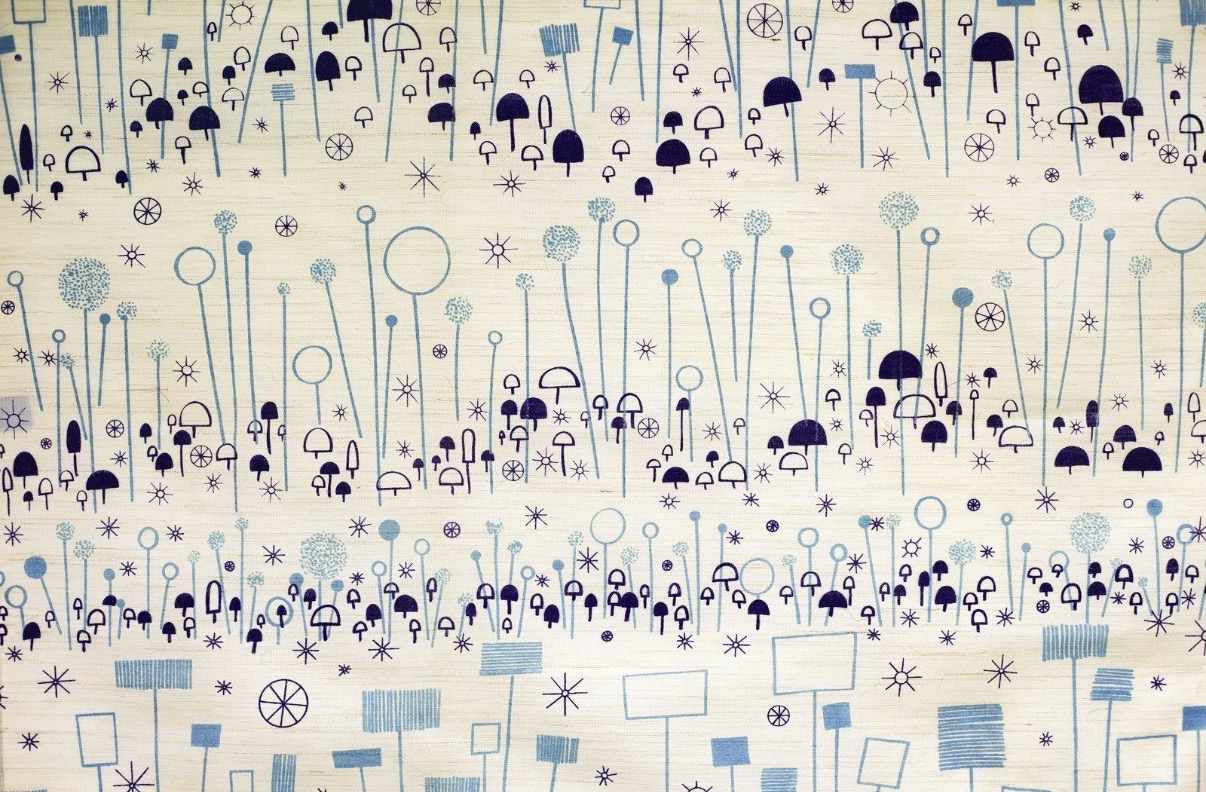
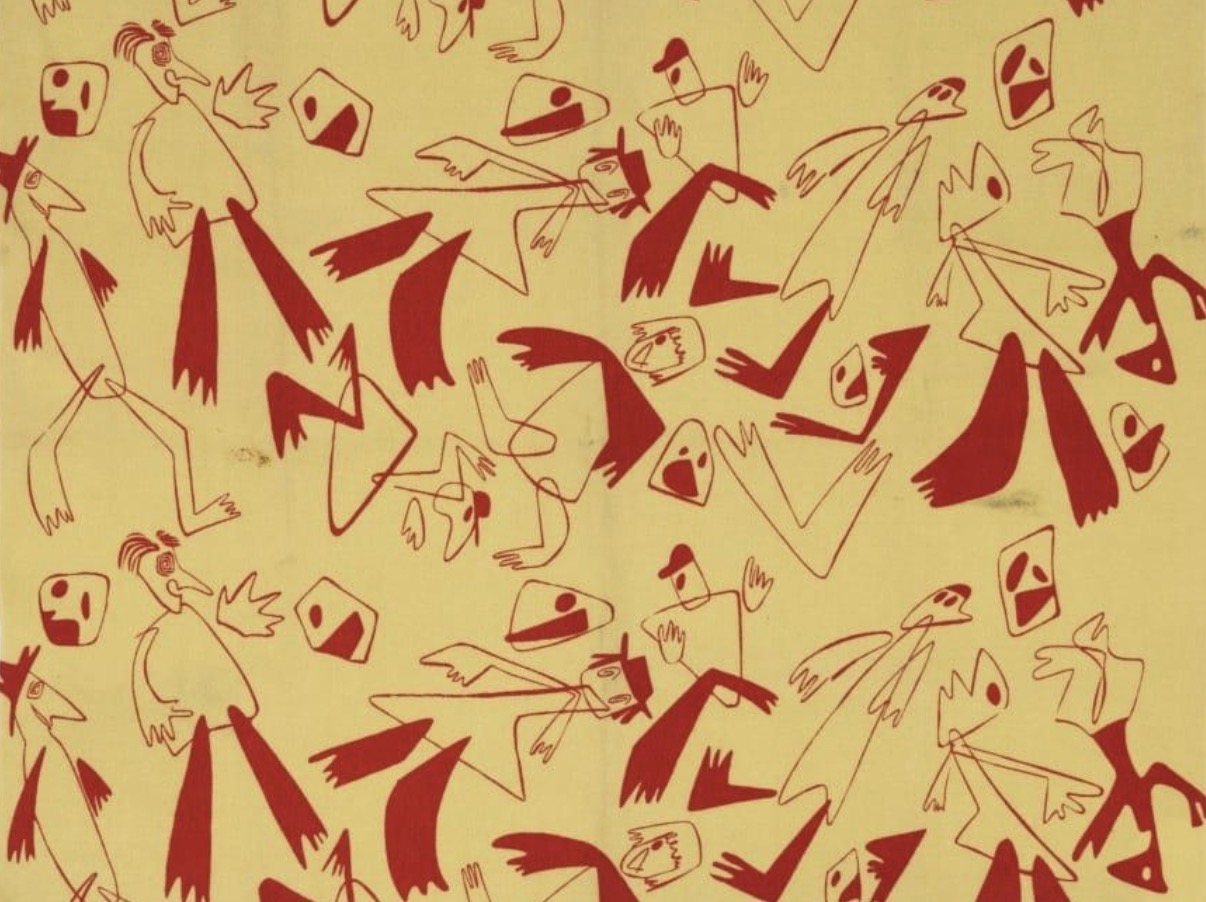
A teenage Jewish refugee from Nazi Germany went on to help define the look of American modernism.
MORE THAN WHAT WE CREATE.
My grandfather was imprisoned in Iran. Other members of my family experienced persecution. So when I read stories like these, I understand that Jewish history is about much more than survival.
It’s also about what people went on to create.
And as a Jewish designer, I love knowing that some of the people who shaped our industry were also helping carry that history forward.

Read the original article and subscribe to Ryan By Design on Substack.