


Talk about your brandI'M NOT PAID TO HAVE GOOD TASTE
By Ryan Saghian. Originally published October 30, 2026, in Ryan By Design. Republished with permission.
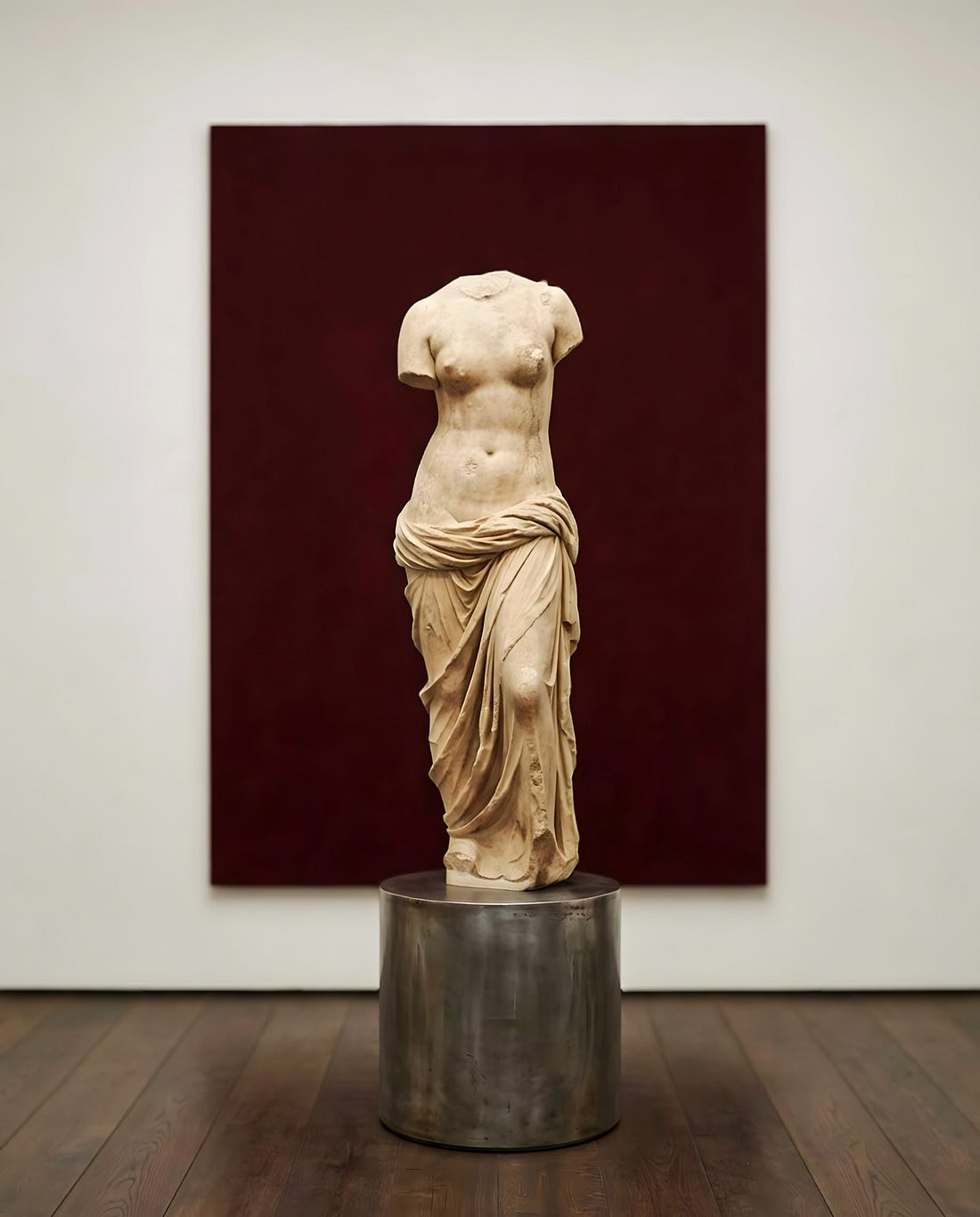
I can make almost anything look expensive.
But making something look expensive and making something feel personal are two very different things.
Give me a beautiful room, a generous budget, and access to the best furniture in the world, and of course I can make something gorgeous.
But give me a client whose taste is completely different from mine, whose ideas occasionally make me question my sanity, and whose personality doesn’t fit neatly into any particular aesthetic?
Now I’m interested.
Because that’s when being a designer becomes something much more complicated than having good taste.
Of course my clients hire me for my taste. They’ve seen my work. They trust my eye, my instincts, and my ability to make things beautiful. I’d be an idiot to pretend otherwise.
But having good taste is only part of the job. The harder part is knowing how to apply it to someone whose life looks nothing like yours.
There are designers whose work you can recognize immediately. The same palette, the same furniture, the same aesthetic, regardless of who’s living there.
And some clients want exactly that. They fall in love with a designer’s look and want a version of it for themselves.
I understand the appeal.
But I’ve never been interested in designing the same house ten times.
Every client comes with a different personality, a different history, and a different idea of what home should feel like. I find that far more interesting than repeating an aesthetic.
A SIGNATURE TECHNIQUE, NOT A SIGNATURE STYLE
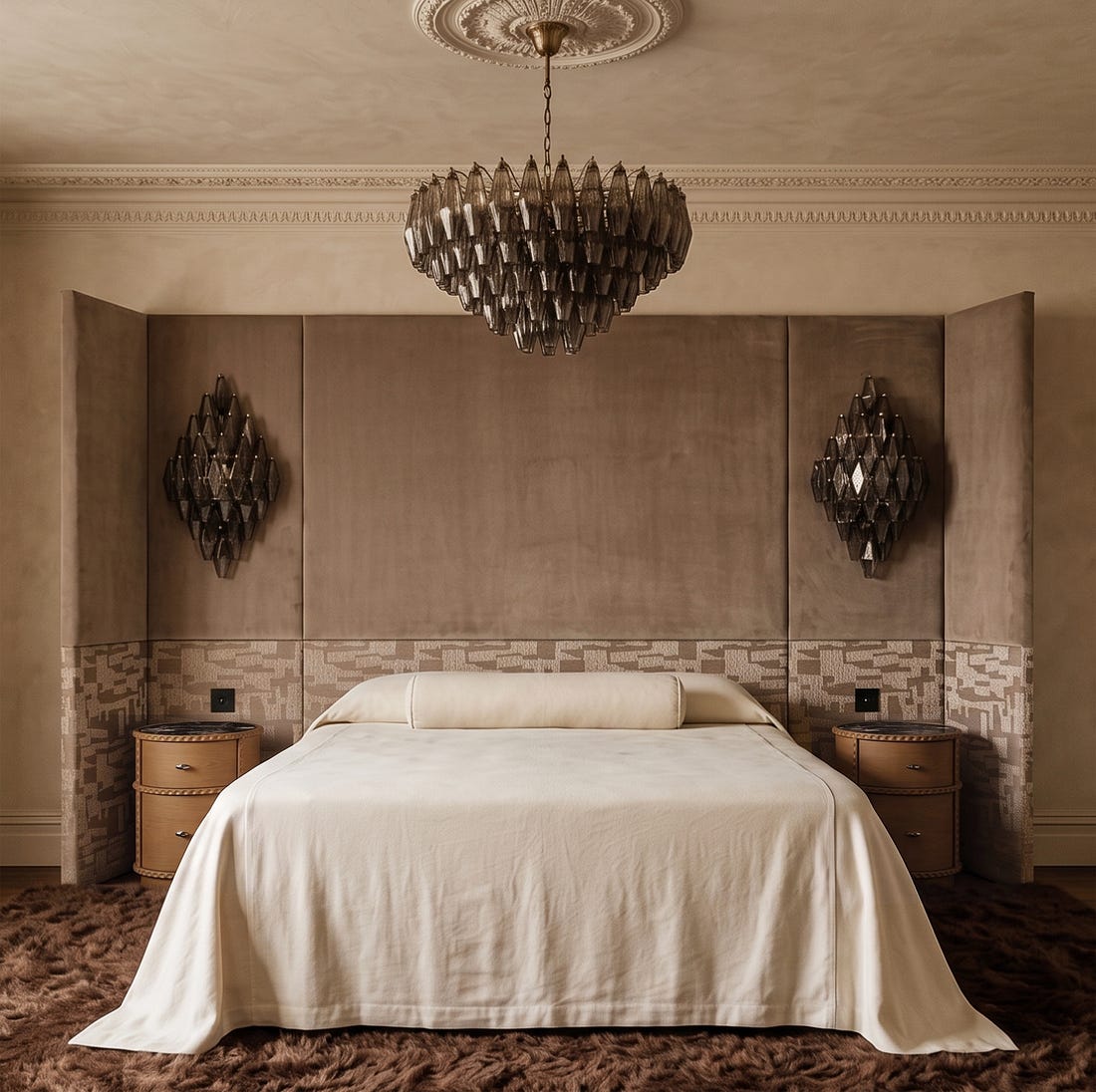
I’ve spent years developing a very particular approach to interiors.
I love mixing things that aren’t necessarily supposed to go together. Different periods, different materials, different personalities. I like a room that has a little tension, something unexpected, something that makes you look twice.
There’s always a certain level of sophistication I want to achieve, regardless of the aesthetic. And I know when to push something further and when to leave it alone.
Those instincts are consistent throughout my work.
The results aren’t.
And that’s intentional.
You can recognize my work in the decisions, even when the rooms look completely different.
I don’t need to put the same sofa in every living room or use the same marble in every bathroom to remind people who designed the house. Trust me, I know I designed it.
My signature is in how I put things together.
And the interesting part is figuring out how to use that technique to create something that feels completely personal to someone else.
LEARNING TO THINK LIKE SOMEONE ELSE
When I start working with a client, I’m paying attention to much more than what they tell me they like.
I want to understand how they live. What they grew up around. What makes them comfortable. What they collect. What they find beautiful. What they absolutely cannot stand.
And I pay particular attention to the contradictions.
Someone might tell me they want a formal home, but everything about the way they live suggests they need somewhere they can put their feet up.
Someone else might insist they want minimalism while holding on to a lifetime of objects they can’t imagine parting with.
That’s where things get interesting.
Because people don’t always know how to articulate what they want. Sometimes they don’t even know what they want until they see it.
And my job is to figure that out.
I have to understand someone well enough to start making decisions from their perspective.
Sometimes I find myself defending something I would never put in my own house. Other times I’m trying to convince a client that the thing they’ve hated for the last three meetings is actually the best idea we’ve had.
And occasionally, they’re right and I’m wrong.
Occasionally.
Neither is about giving up my taste.
Both require it.
And knowing when to do which is something you learn through experience.
GOOD TASTE ISN’T ENOUGH
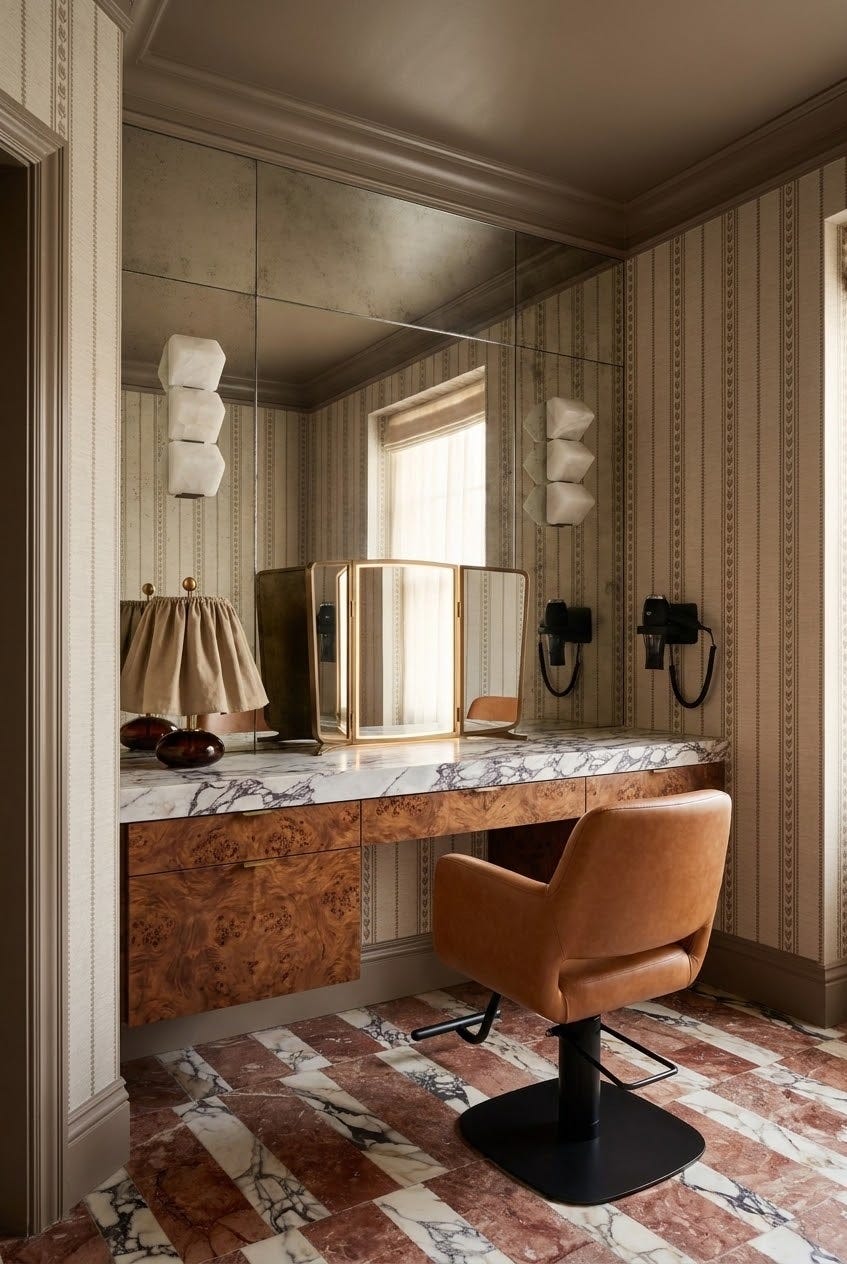
You can have an incredible eye and still struggle to design for someone else.
Because putting together a beautiful room and creating a beautiful home for a particular person are two very different things.
I’ve seen rooms where every individual piece is gorgeous, but the whole thing feels strangely impersonal.
Beautiful furniture. Expensive finishes. Perfectly styled shelves.
And absolutely no indication of who lives there.
I think that’s where people sometimes confuse decorating with designing.
Decorating is about putting things together beautifully. And there’s real talent in that.
But the kind of design I’m talking about requires another layer of understanding.
Why does that piece of art belong in this house? Why does this room need to feel formal while the next should feel completely relaxed? Why does something that might look strange in another home feel absolutely right in this one?
Those are the questions that interest me.
A house can be beautifully decorated and still feel like it belongs to nobody in particular.
THE EGO OF A DESIGNER
I have an ego. I’m an interior designer. It practically comes with the business license.
And I have very strong opinions about what looks good.
But I’ve learned that having conviction doesn’t mean every decision needs to be about me.
People hire us because they trust our judgment. They expect us to push them, challenge them, and sometimes tell them that an idea they love is terrible.
But you also have to know when to get out of your own way.
There are things I love that aren’t right for every client. There are things I might initially dismiss that turn out to be exactly what a particular home needs.
Being able to recognize that doesn’t make me less confident in my taste.
If anything, it makes me more confident.
I don’t need every project to look the same to prove that I designed it.
And frankly, I think creating two completely different homes that are equally beautiful is a much more interesting challenge than creating the same beautiful home twice.
THE HOUSE SHOULD STILL BELONG TO YOU
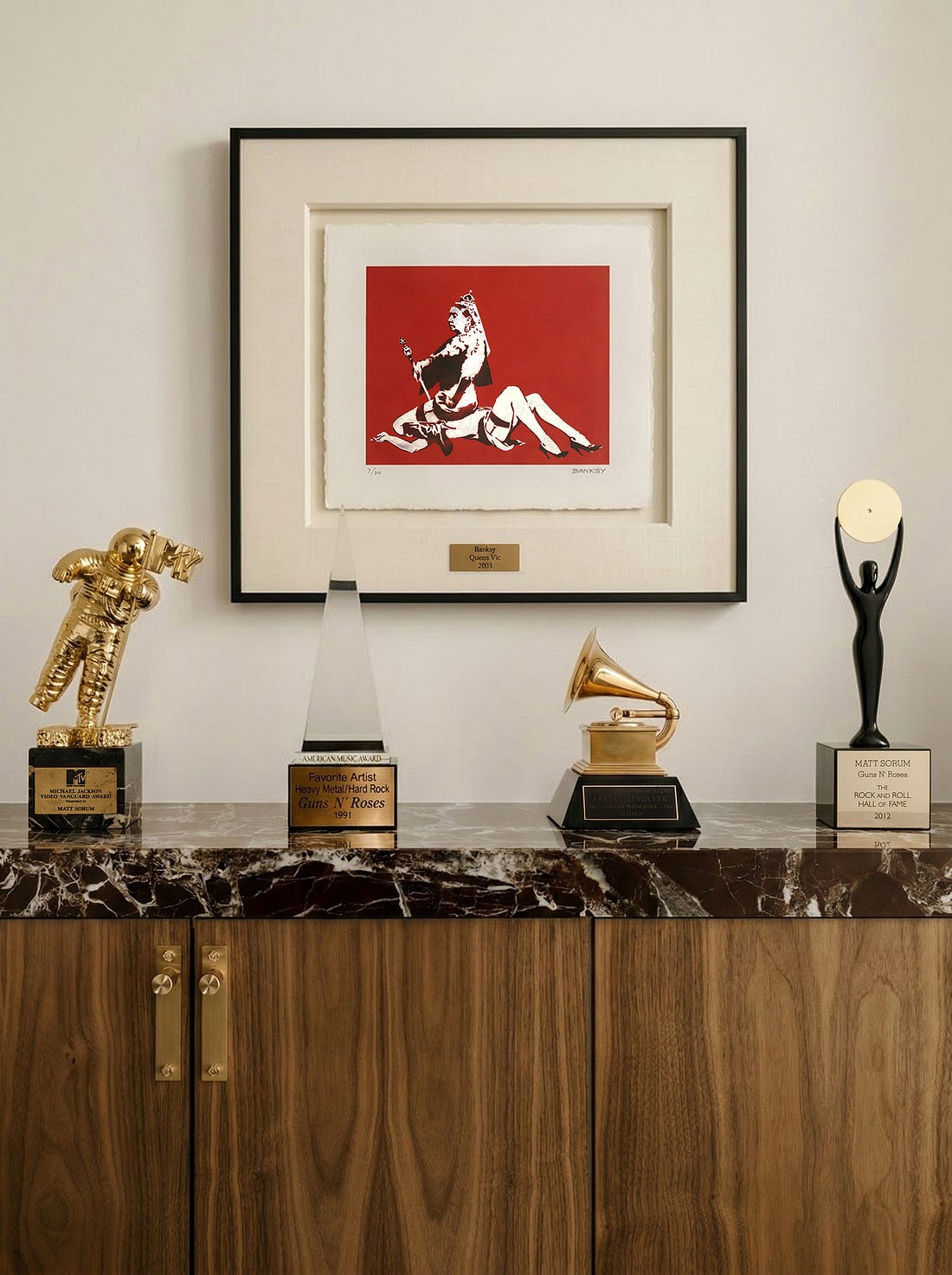
I love a home that tells you something about the people living in it.
The unexpected art. The collections. The strange little obsessions. The things that might not make sense to anyone else but mean everything to the person who owns them.
Those are usually my favorite parts.
And sometimes the challenge is figuring out how to incorporate those things without making the room feel like a storage unit.
That’s where my taste comes in.
I can take someone’s instincts, their possessions, their ideas, and give them a sense of order and beauty without losing what made them interesting in the first place.
And when it works, the result feels natural.
Like the house couldn’t possibly belong to anyone else.
That’s what I want.
I want to be able to look at two completely different projects and know that both represent the people living there, while still feeling proud of every decision I made.
Because my taste is in both of them.
My technique is in both of them.
But the people are different. So the homes should be too.
I don’t have a signature style. I have a signature technique.
And if I’ve done my job correctly, you’ll recognize my taste without ever confusing the house for mine.